In 2008, our five-year-old son David said something I have never forgotten:
“Dad, it was easy, all I had to do was to tell my natural self to go out to the back yard!”
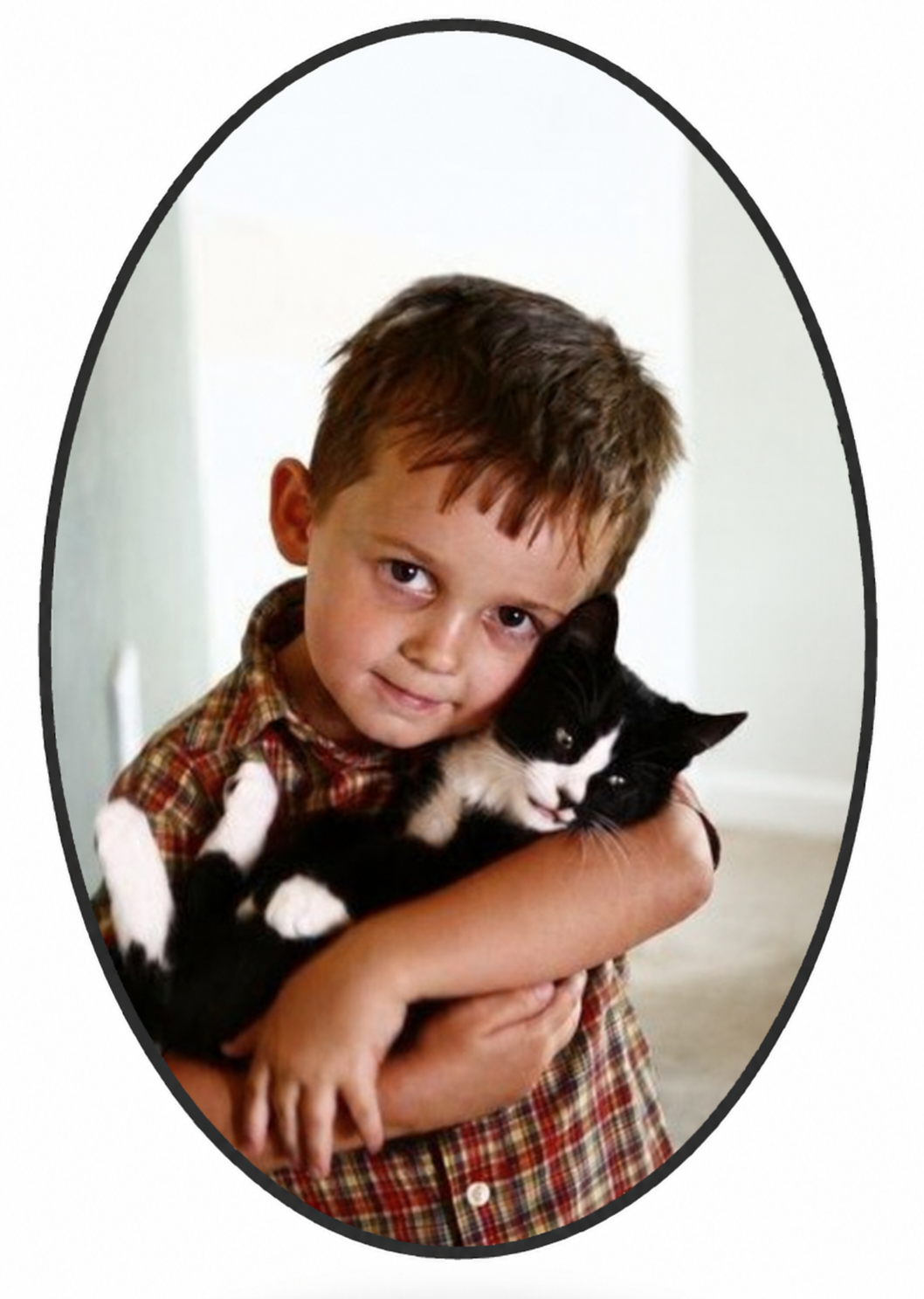
David at about five years old—the age he was when BYTS became our family motto.
To explain why those words meant so much, I need to start with a change I had to make in myself.
I had recently started a job with a food distribution company, visiting restaurants and trying to earn their business. About two weeks into it, I was discouraged. Cold calling was hard, and the effort seemed to bring very little return.
As I examined my attitude, I began to recognize that my own approach was part of the problem.
Around that time, I drove my mother-in-law, Glenda, to the airport after a visit with our family. She and my father-in-law were considering serving a mission together through our church.
During the drive, she described their preferences: the assignments they wanted, the places they would consider, and the things they hoped to avoid.
After listening, I told her that if they chose to serve as their true selves, without placing so many limitations on the opportunity, God could send them where He needed them.
After we said goodbye, those words stayed with me.
What would it mean for me to approach my new job as my true self?
A scripture from my faith, Mosiah 3:19, came to mind. Its teaching about putting off the “natural man” and becoming humble, patient, and full of love prompted me to examine my own choices.
I had offered Glenda advice. Now I needed to apply it.
I began imagining what my “True Area Manager Self” would look like.
I would walk into a restaurant with my head held high. I would prepare, know my products and pricing, and show enthusiasm for the opportunity to serve. I would listen and help the owner or manager understand how I might earn their business.
Those were choices I could make, even when I felt discouraged.
At my next restaurant visit, I tried that approach. Afterward, I thought about what had gone well and what I could improve. At the following visit, I applied what I had learned.
I repeated that process throughout the day.
I noticed a change in my attitude and performance. The people I met also seemed more receptive. The work still required effort, but I felt more engaged and hopeful about it.
That evening, I gathered Kathy and our six children to share what I had discovered.
As we talked, I realized this idea could apply to our family, too.
I asked the children to imagine that Mom had asked them to clean the living room.
“What would that look like if you did it as your true self?”
Our older children described putting their books and toys where they belonged, arranging the couch pillows, and even vacuuming the floor.
Then I asked what it might look like if they followed their “natural self”—their natural impulse to avoid the work.
They described complaining, hiding toys behind the couch, and doing just enough to get by.
We talked through another example: brushing their teeth before bed.
The older children did most of the talking. Our younger children listened quietly. I wasn’t sure how much they understood, but I wanted them included.
David was five. He had been going through a difficult stretch, and we had struggled with his grouchiness and resistance to everyday requests.
The next day, after arriving home from work, David was the first to greet me. He ran toward me, very excited.
“Dad, Dad, Dad! I was my True Self ALL DAY LONG Dad!”
Kathy stood beside him, smiling and nodding with a look of awe.
“That’s great, Dave,” I said. “How did you do it?”
“Dad, it was easy, all I had to do was to tell my natural self to go out to the back yard!”
His response moved me deeply.
He had taken an idea I was still learning to explain and made it understandable in his own five-year-old way. He pictured setting aside the impulse that got in his way so he could choose a better response.
From that day forward, Be Your True Self—BYTS—became our family motto.
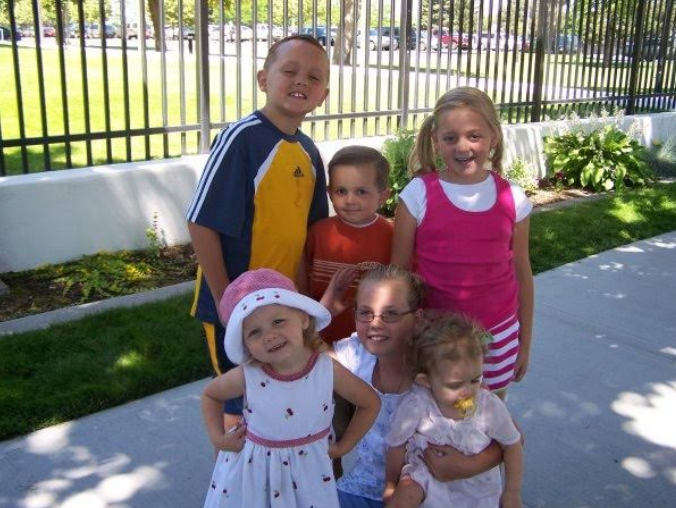
Our six children around the time we introduced BYTS to our family.
It changed how Kathy and I approached parenting and gave our family a shared language for talking about choices. I felt we grew as parents, and I saw our children begin applying the idea in their relationships and responsibilities.
We could place almost any role into the question:
What would it look like to be my true self as a parent, spouse, friend, student, neighbor, or employee?
For me, being your true self means choosing to live according to your best values. Sometimes that requires effort, sacrifice, an honest conversation, or a step outside your comfort zone.
It also leaves room to be human. We feel discouraged, get tired, make mistakes, and need help. BYTS gives us a way to pause, reflect, and choose our next step.
My faith helped me discover this idea. I believe its everyday application can welcome people of every faith and no faith.
Today, that family motto is the starting point for the Be Your True Self Movement. Together with Keep Your Hand on FAIR and Take Care of the Goose, it gives us three connected principles to explore through everyday stories and practical choices.
This movement begins with a question I first had to ask myself:
In one part of your life today, what would being your true self look like—and what is one choice you could make to put it into practice?
—Wayne Schmidt